
Independent & Source-Cited
Functional Mushroom Guide
What's in a Lion's Mane, Reishi, or Cordyceps supplement, what the named clinical research on those ingredients measured, and how that compares to what each brand puts on the label. Every claim links to the study or label it comes from.
Explained in Plain Language
See all articles →
Article
Does Mushroom Coffee Have Caffeine?
Four Sigmatic and Ryze publish very different numbers on their own labels. What's really in the cup, compared side by side.
Article
Are Mushrooms Dangerous? What to Actually Worry About
The real risk isn't where most people assume it is. Where the documented danger clusters, and what doesn't deserve the fear.
Article
Lion's Mane vs. Reishi: Which One Should You Take?
Two of the most popular functional mushrooms, studied for entirely different things. What each one's research measured.
Article
Do Mushroom Supplements Really Work?
Not every mushroom claim holds up the same way. A label-reading approach that lets you check any product yourself, mushroom by mushroom.
Explore Functional Mushroom Types
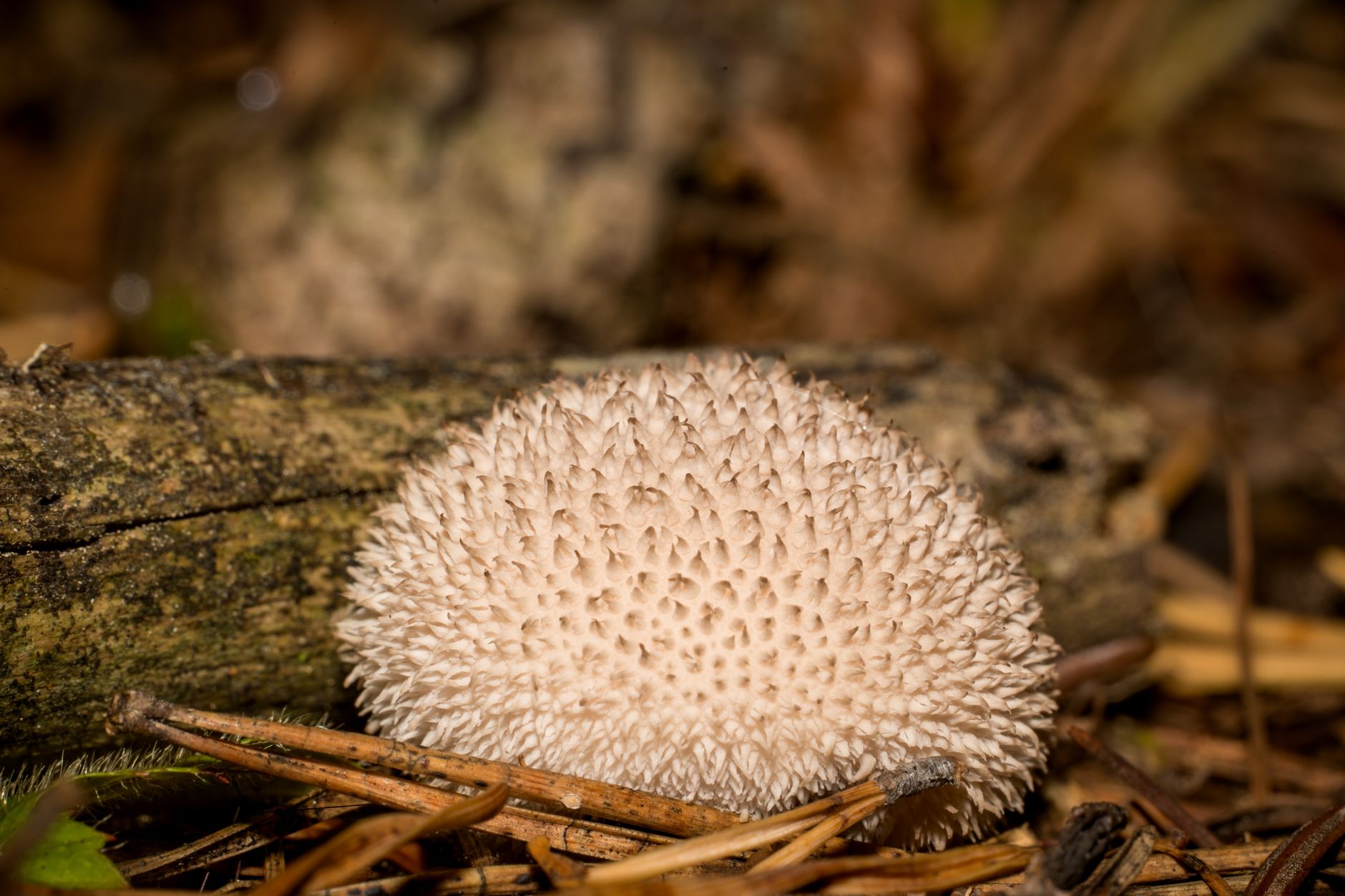
Lion's Mane
The most-researched mushroom on this site, studied for cognitive and nerve-support effects at a specific dose.
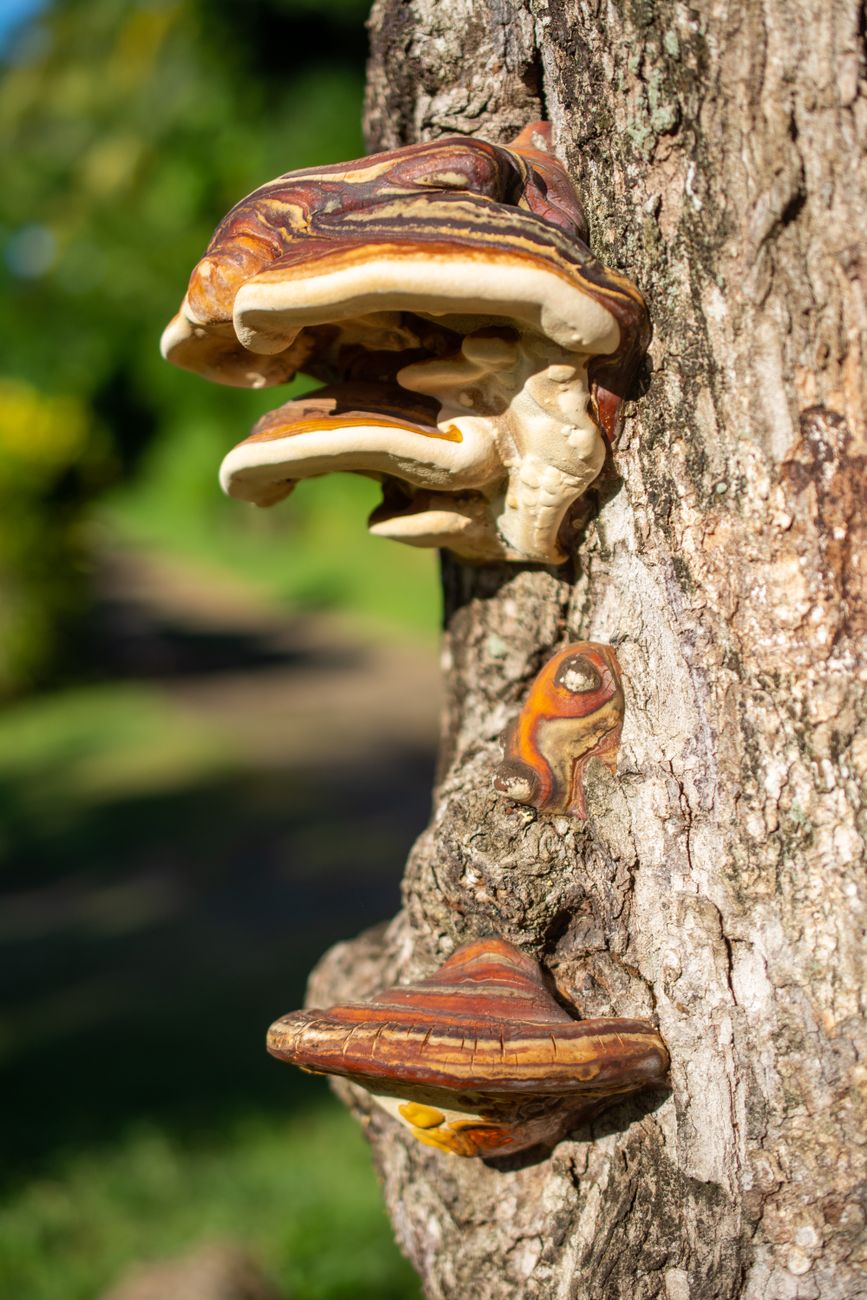
Reishi
Studied for immune-marker changes. The evidence is population- and dose-specific, not a blanket effect.
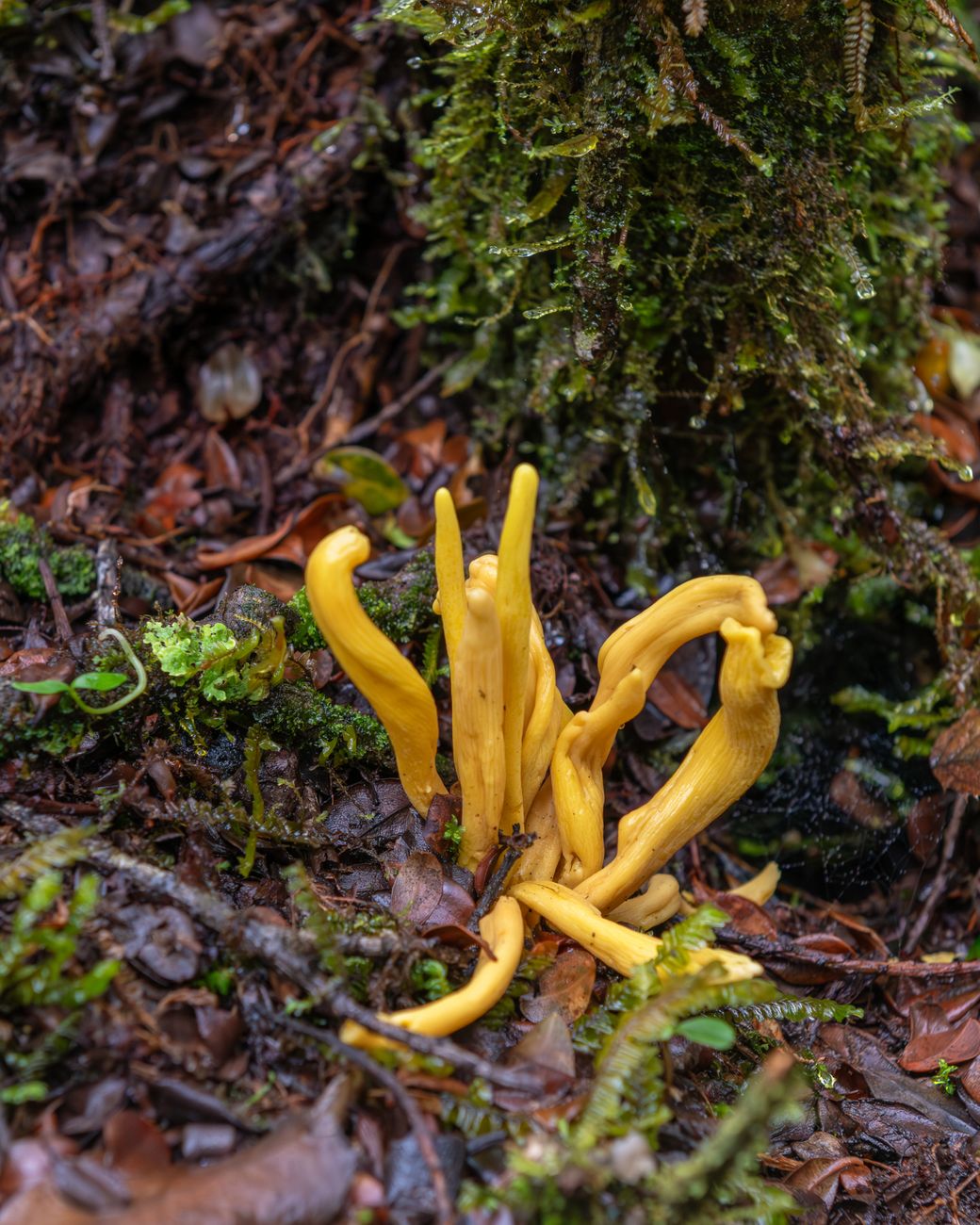
Cordyceps
Studied for exercise-performance effects. Real evidence, but narrower than the marketing suggests.
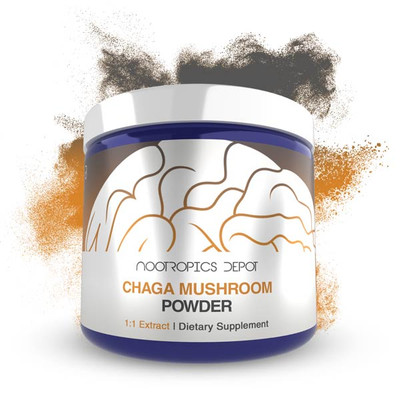
Chaga
No completed human clinical trials yet, plus real documented safety risks worth knowing before you buy.
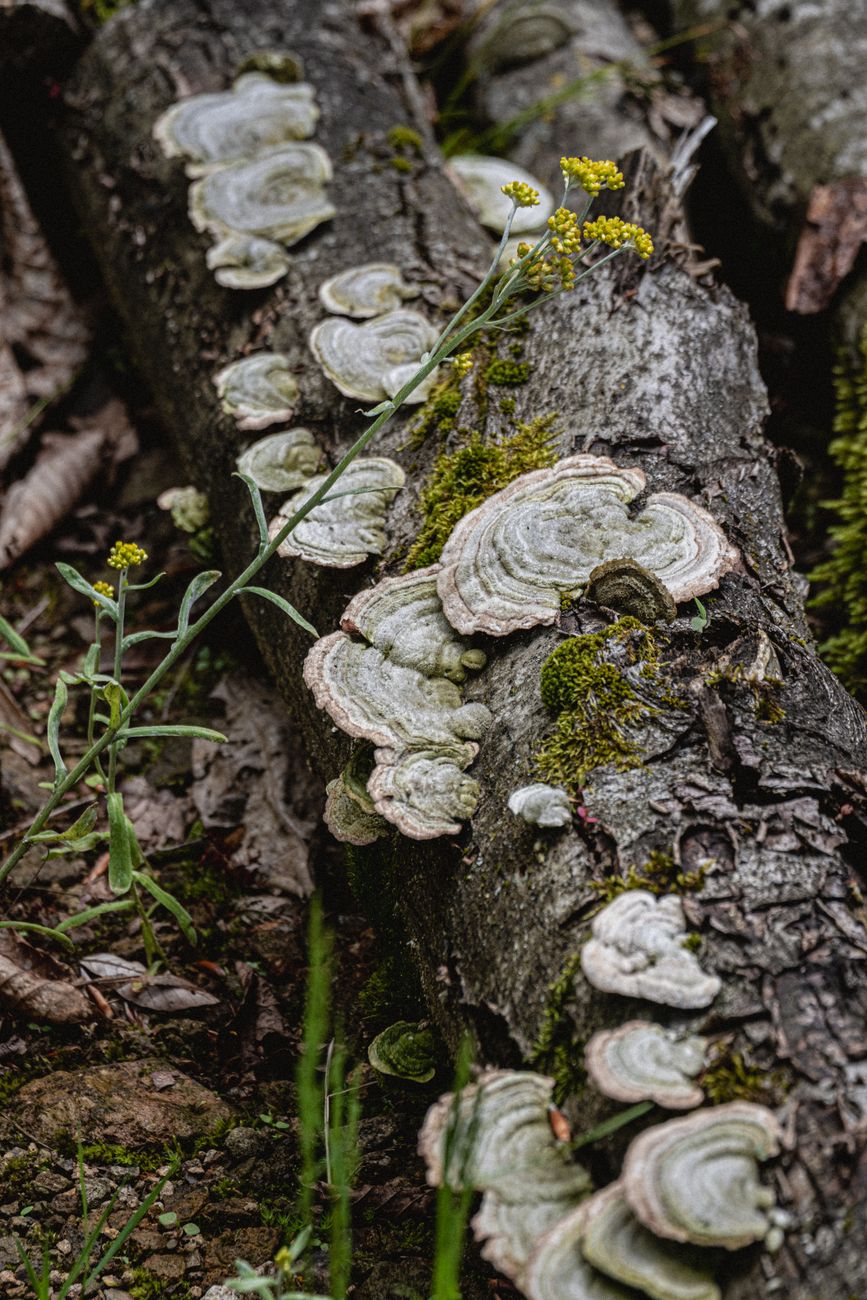
Turkey Tail
The largest evidence base on this site, over 25 controlled trials, though as a cancer-treatment adjunct specifically.
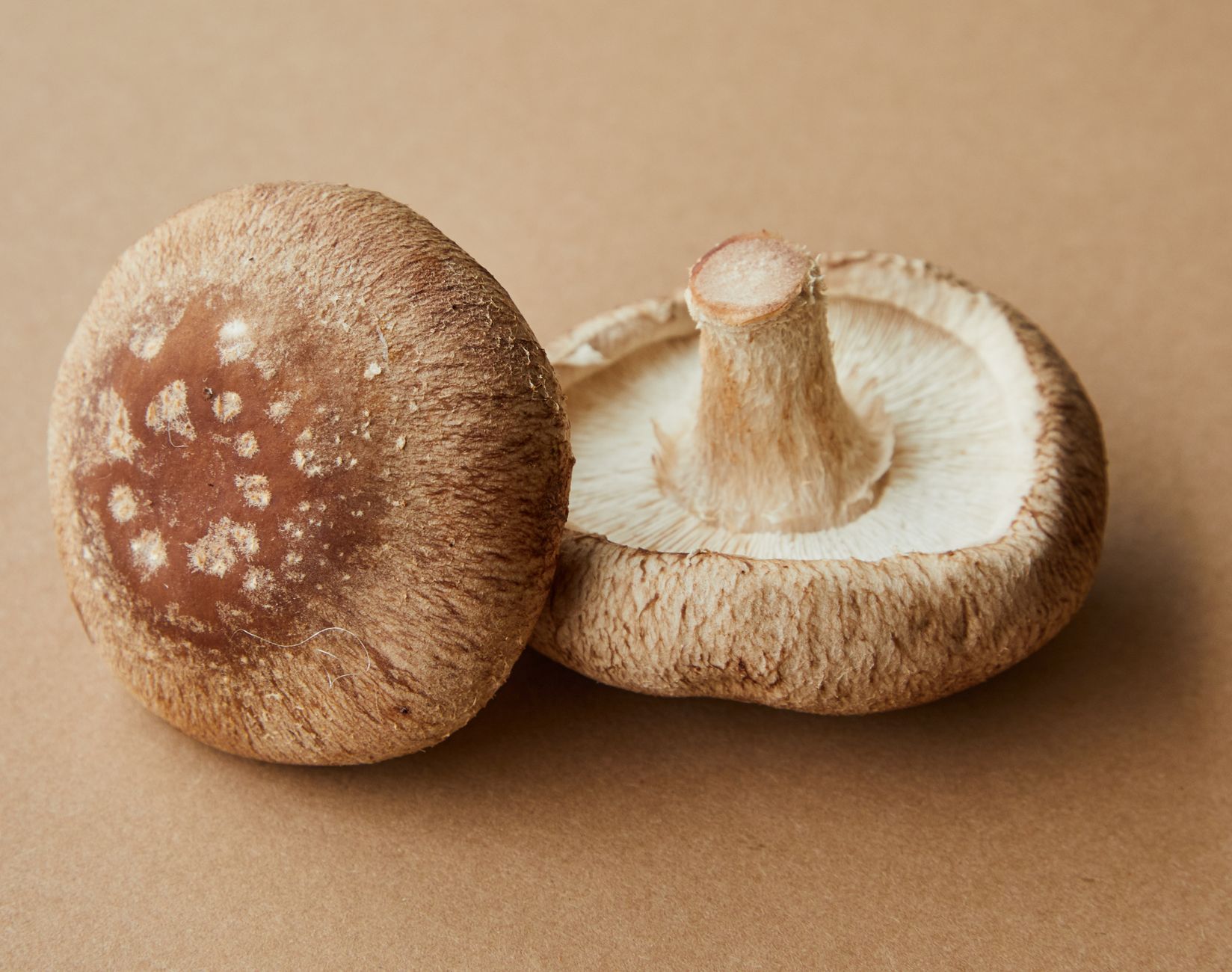
Shiitake
One RCT found whole shiitake raised immune markers in healthy adults. Lentinan and AHCC are separate extracts with their own evidence.
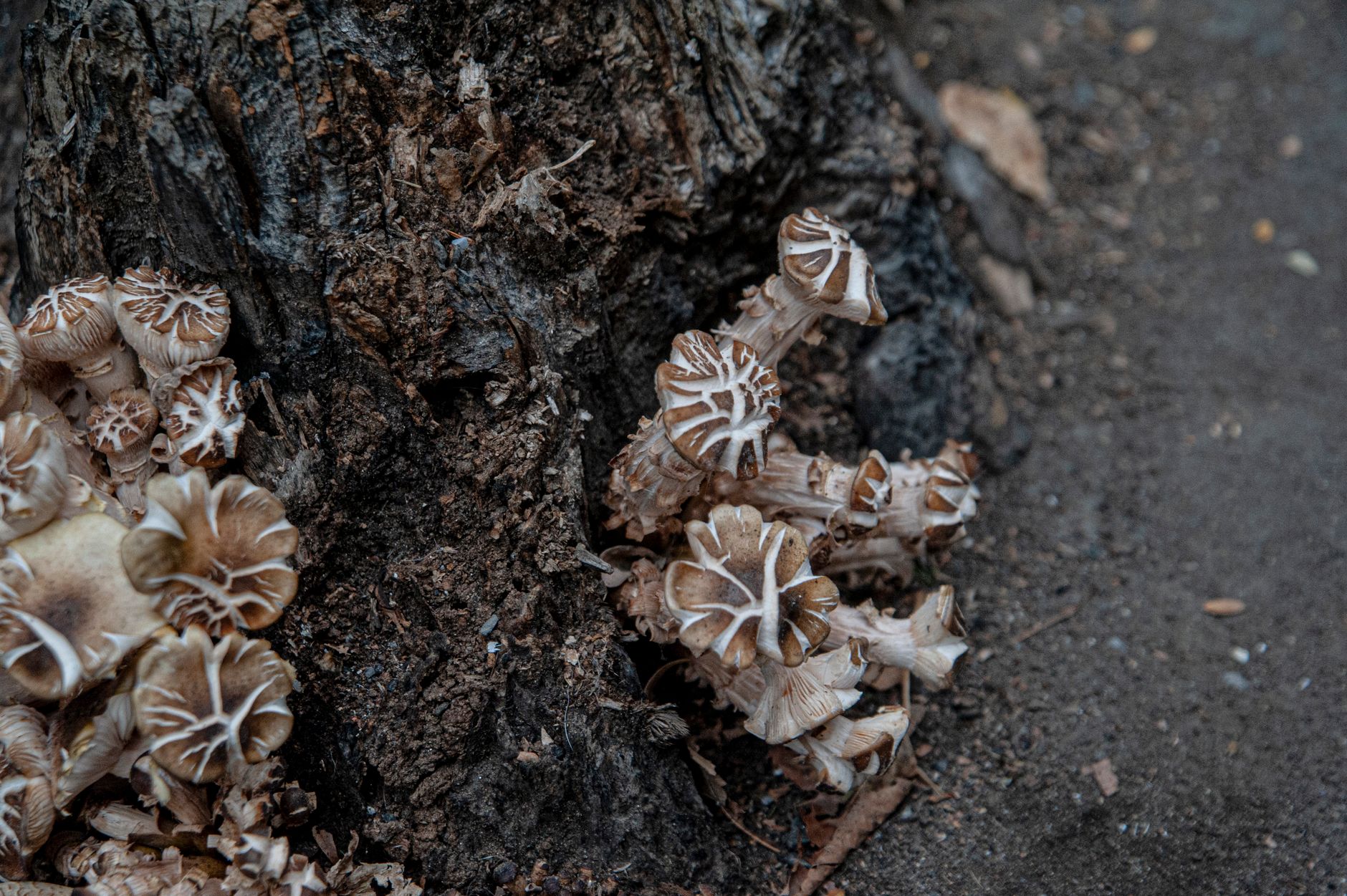
Maitake
Real but narrow human trials: complex immune effects in cancer patients, an ovulation trial where it underperformed the drug it was tested against.
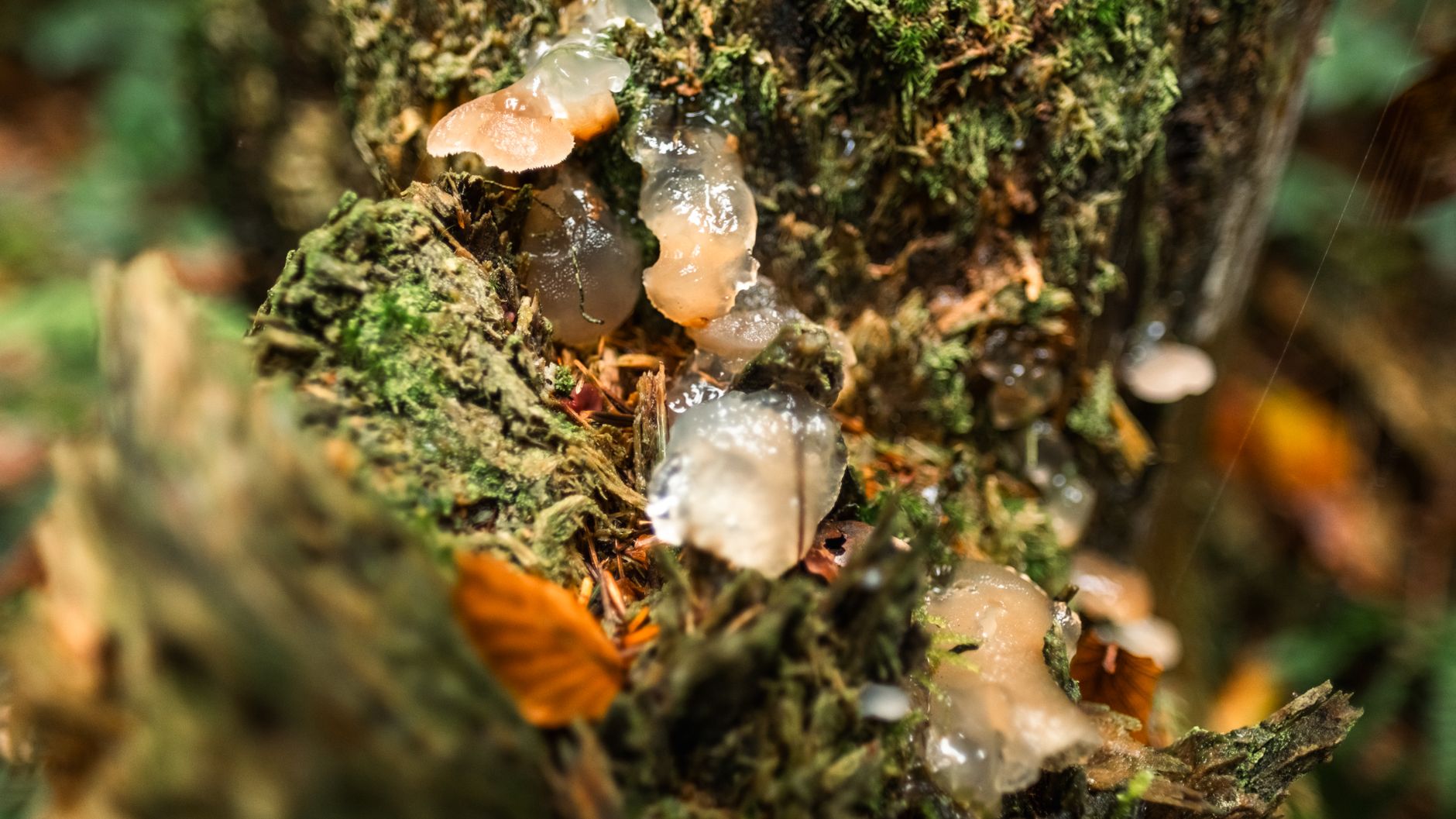
Tremella
Two human RCTs support cognition and metabolic markers. The popular skin/collagen claim has no human trial behind it.
Find Your Format
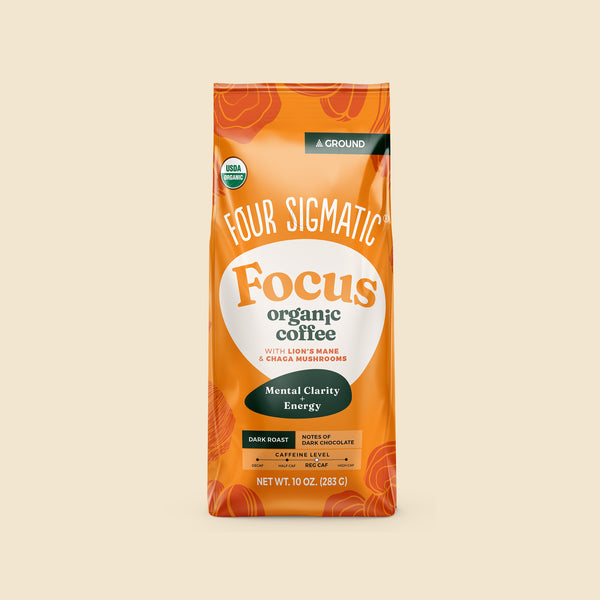
Coffee Drinker's Picks
Ground coffee blended with mushroom extract. Brands disclose the actual dose very differently.
Chocolate Lover's Options
Three brands checked; only one publishes a milligram dose, none publish a beta-glucan percentage.
Capsule Comparison
8 Lion's Mane capsule brands compared. Only 2 publish a beta-glucan percentage or name an independent lab.
On-the-Go Gummies
The single biggest search term in this category. Neither brand checked names a testing lab.
Precise-Dose Tinctures
Extraction method and alcohol content vary a lot by brand, compared using Lion's Mane tinctures.
Multi-Species Blends
10-species complexes compared: species count isn't the same as disclosure depth.
Frequently Asked Questions
Sources
- Mori et al., 2009, Phytotherapy Research: Double-blind, placebo-controlled trial of Yamabushitake (Hericium erinaceus) in adults with mild cognitive impairment
- PMC10675414, 2023: Double-blind pilot study of Lion's Mane supplementation on cognition, stress, and mood in healthy young adults
- NCBI Bookshelf, LiverTox: Lion's Mane: Clinical safety review; no reported cases of liver injury attributed to Lion's Mane at typical oral doses
- Missouri Department of Conservation, Destroying Angel field guide: Identification traits separating destroying angel from edible meadow mushroom